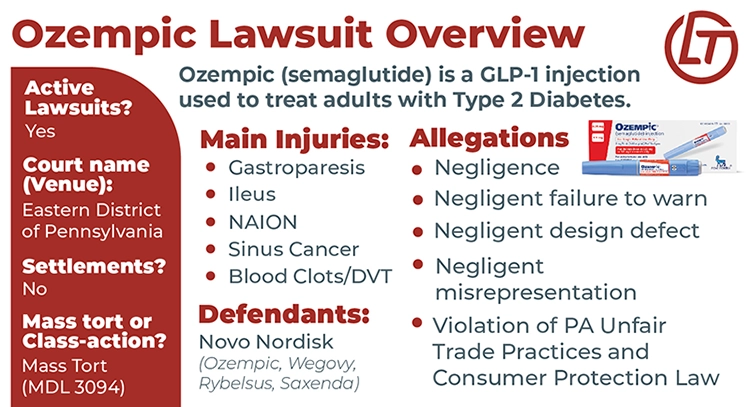
While TRICARE covers Ozempic and Mounjaro to treat Type 2 diabetes with prior authorization TRICARE and many other health plans will not approve Ozempic and Mounjaro prescribed for off-label weight management use
Our streamlined process ensures a professional and reassuring experience, from consultation to post-treatment care
10.3389/fphar.2014.00149 34 HerreraE
Obesity and obstructive sleep apnea: pathogenic mechanisms and therapeutic approaches

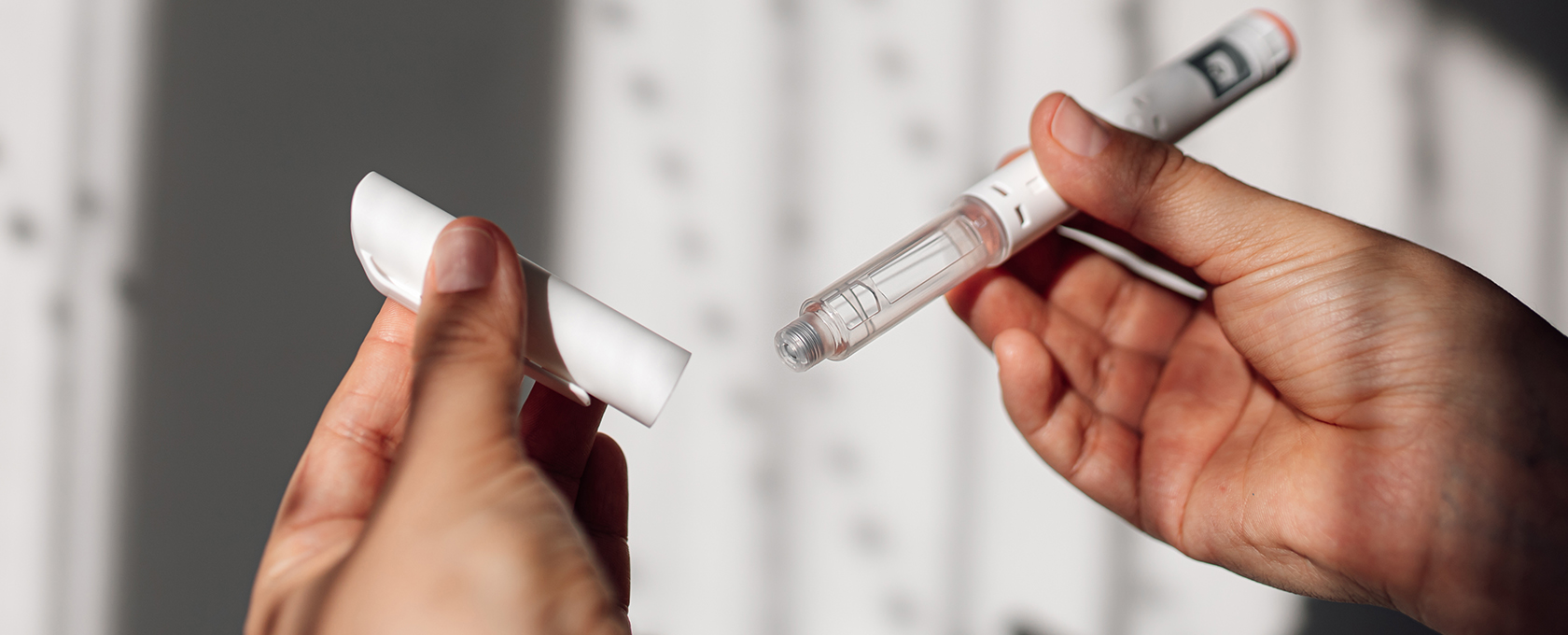
BPC-157 (5mg vial) Water: 2ml bacteriostatic water Concentration: 2500mcg/ml Typical dose: 250mcg = 0.1ml (10 units) Doses per vial: 20 injections TB-500 (5mg vial) Water: 2ml bacteriostatic water Concentration: 2500mcg/ml Typical dose: 2500mcg = 1ml (100 units) Doses per vial: 2 injections Semaglutide (5mg vial) Water: 2ml bacteriostatic water Concentration: 2500mcg/ml (2.5mg/ml) Starting dose: 250mcg = 0.1ml (10 units) Maximum dose: 2400mcg = 0.96ml (96 units) Ipamorelin (5mg vial) Water: 2ml bacteriostatic water Concentration: 2500mcg/ml Typical dose: 200mcg = 0.08ml (8 units) Doses per vial: 25 injections Safety and sterile technique summary The fundamentals that keep you safe: Before reconstitution: Wash hands thoroughly Use clean workspace Check peptide powder appearance (should be white/off-white) Verify bacteriostatic water (not sterile water) During reconstitution: Clean both rubber stoppers with alcohol Let vials reach room temperature Inject water slowly down vial wall Never shake, only gentle swirl Verify complete dissolution before storing After reconstitution: Refrigerate immediately (36-46F) Label vial with name, concentration, date Use within 28 days maximum Check for cloudiness before each use For every injection: Clean rubber stopper with alcohol Use new sterile syringe every time Rotate injection sites Dispose needles in sharps container Track doses remaining Follow these rules and you'll never have problems
Although the pathology in CAE was mainly targeted to the corpus callosum where cuprizone-mediated white matter injury is focused, very prominent lymphocytic inflammation, demyelination and axonal injury were observed that closely resembled an active MS lesion